(917) 640-5294
.jpeg)
FUKASA KAI MARTIAL ARTS
#1 PRIVATE, GROUP AND ONLINE LIVE-STREAMING INTERACTIVE CLASSES


ADULT MARTIAL ARTS
There's nothing more fun and empowering than developing focus and muscle through Karate, using the Samurai Sword to perform laser precise cuts and achieving the calmness and inner strength of a Chinese monk!
Training with me can be an effective and motivating tool to achieve and maintain a healthy body and mind. Regardless of whether you are a novice or advanced practitioner of the martial arts, my instruction will be differentiated to match your abilities. My classes provide a combination of exercise, strength, stress-relief, wholeness and inspiration. The techniques that I teach are most effective and authentic. They derive from the Samurai families of Japan and the Emperors of Okinawa. My students benefit from my Asian certification and the lineages of the system that I teach. As you move up through the ranks, you will earn belts and certificates that reflect your meaningful accomplishments. I have enjoyed the benefits of marital arts training for 47 years. However, it’s an activity that anyone, regardless of fitness level, can pick up at any stage of life. My group and private classes have no competition, just a supportive environment and plenty of patience on my behalf.
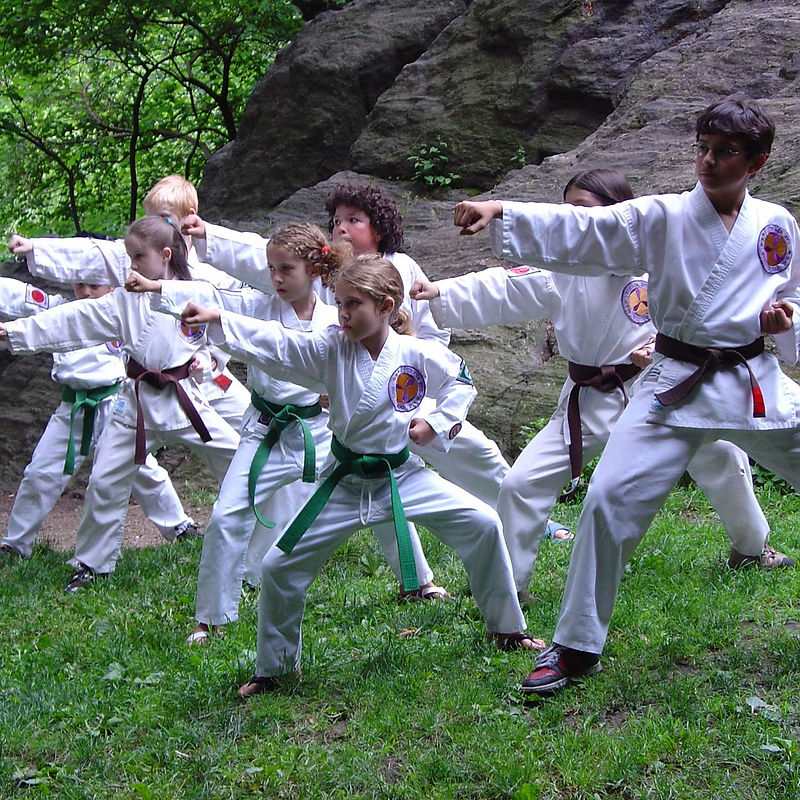
KIDS MARTIAL ARTS
Respect - Focus - Positive Attitude - Confidence - Health - Weight Loss - Fun
Doctors, therapists and informed parents choose the martial arts as an alternative to team sports. The martial arts are safe, structured, holistic exercises that teach meaningful life skills including discipline and self-defense.
My online AND in-person interactive martial arts classes are a convenient and effective way to learn in the comfort of your own space (inside or outside, alone or in a group). Your child now has the opportunity to learn directly from a licensed educator and martial arts master with over 30 years teaching experience and a specialization teaching children with Special Needs.
CARY NEMEROFF, SOKE, MASTER, 10TH DAN
I am a full-time, career martial arts headmaster with 47 years of training and over 30 years of teaching experience. My martial arts background includes training in Okinawa Karate, Toide, Kobudo, Kempo, Japanese Bujutsu including Iai-Jutsu, Ken-Jutsu, Aiki-Jujutsu, Ju-Jutsu, Judo, Kobu-Jutsu and Wushu of China including Chuan-Fa and Kung-Fu.
I am also a certified educator, Teacher of the Deaf, and can comfortably teach using American Sign Language. My MA degree is from Teachers College, Columbia University and my BA is from New York University.
I have extensive experience teaching martial arts to adults and children with Special Needs that include physical and cognitive challenges such as Autism, ADD, ADHD, Cerebral Palsy and Down Syndrome.
I am the author of two traditionally published books on the subject of the martial arts: Mastering the Samurai Sword (Tuttle Publishing, 2008) and Aiki-Jujutsu: Mixed Martial Art of the Samurai (Crowood Press, 2013).
I have customized, designed and taught martial arts classes all around New York City including health clubs such as Chelsea Piers, community centers such as the JCC in Manhattan, schools for children with Special Needs such as the NYC Charter School for Autism, private agencies such as United Cerebral Palsy, NYC, colleges such as Queens College, NYC Parks and remotely for the American School for the Deaf in Connecticut, to mention some. I continue to offer private and group martial arts training in Lakeway, Bee Cave & Austin, Texas, and online to all who are interested.


